

What Your Poop Says About Your Health (Bristol Stool Chart Explained)
Your poop is one of the clearest signals of your gut health. From poop shape and color to frequency and smell, your body is constantly giving you data. The question is: do you know how to read it?
In this guide, we’ll break down:
- What the Bristol Stool Chart actually means
- What different poop types say about your health
- How to improve your gut health naturally
And yes — we’ll also talk about how your bathroom setup (including bidets and poop stools) can actually improve your digestion.
What Is the Bristol Stool Chart?
The Bristol Stool Chart is a medical tool used to classify poop into 7 different types based on shape and consistency.

Here’s a simplified breakdown:
Types 1–2: Constipated Poop (The “Rock Collection”)
- Small, hard lumps or pellet-like
- Difficult to pass
What it means:
- Dehydration
- Low fiber intake
- High stress
If your poop looks like this regularly, your gut is struggling.
Types 3–4: Healthy Poop (The Gold Standard)
- Smooth, soft, sausage-like
- Easy to pass
What it means:
- Balanced diet
- Good hydration
- Healthy digestion
This is the goal. This is what “normal poop” actually looks like.
Types 5–7: Loose or Diarrhea
- Soft blobs → watery liquid
What it means:
- Stress
- Food intolerances
- Gut imbalance
- Possible infection
Occasional changes are normal — but frequent loose stools are worth paying attention to.
What Does Poop Color Mean?
Your poop color can reveal just as much as shape.
Brown (Healthy)
This is the goal. Brown poop means your digestive system is working properly.
Green
- Fast digestion
- High intake of leafy greens
- Stress
Yellow or Pale
- Fat digestion issues
- Food intolerances
If it happens often, it’s worth investigating.
Black or Dark
- Could be iron supplements or food
- Could also signal internal bleeding
If unsure, talk to a doctor.
Red
- Could be food (like beets)
- Could be blood
If you’re not sure — don’t guess. Get it checked.
What About Poop Smell and Frequency?
Smell:
Very strong or unusual smells can indicate:
- Poor digestion
- Food sensitivities
- Gut imbalance
Frequency:
A healthy range is 3 times per day → 3 times per week. What matters most is consistency.
How to Improve Your Poop (and Your Gut Health)
If your poop isn’t in the “Type 3–4, brown, consistent” zone — don’t panic.
Here’s how to fix it:
1. Drink More Water
Hydration is one of the fastest ways to improve stool consistency.
2. Eat More Fiber (But Do It Gradually)
Fiber helps bulk and soften stool — but too much too fast can backfire.
3. Reduce Stress
Your gut and nervous system are deeply connected. Stress = worse digestion.
4. Fix Your Pooping Posture (Underrated Game-Changer)
Your body wasn’t designed to poop sitting at a 90° angle, it's not natural. Sitting on modern toilets kink our colons making it harder to push and eliminate our waste efficiently. Using a poop stool (like the TUSHY Ottoman or TUSHY Arc):
- Elevates your feet to mimic a natural squatting position
- Straightens your colon
- Makes pooping easier and more complete
Better posture = better poops.
5. Ditch Toilet Paper (Yes, Really)
This is where most people are stuck in outdated habits.
Toilet paper:
- Smears instead of cleans
- Can cause irritation
- Makes it harder to actually observe changes in your stool
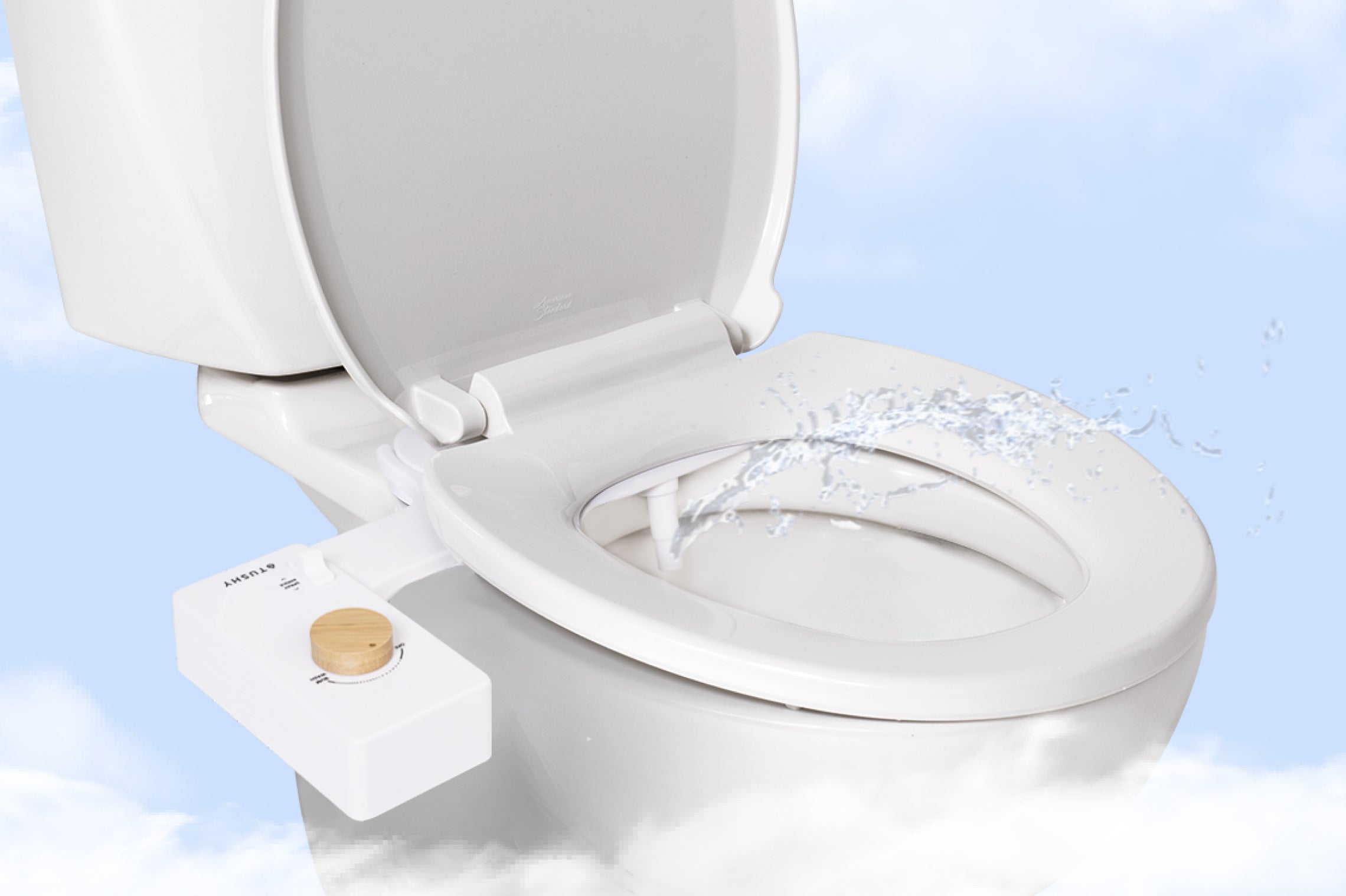
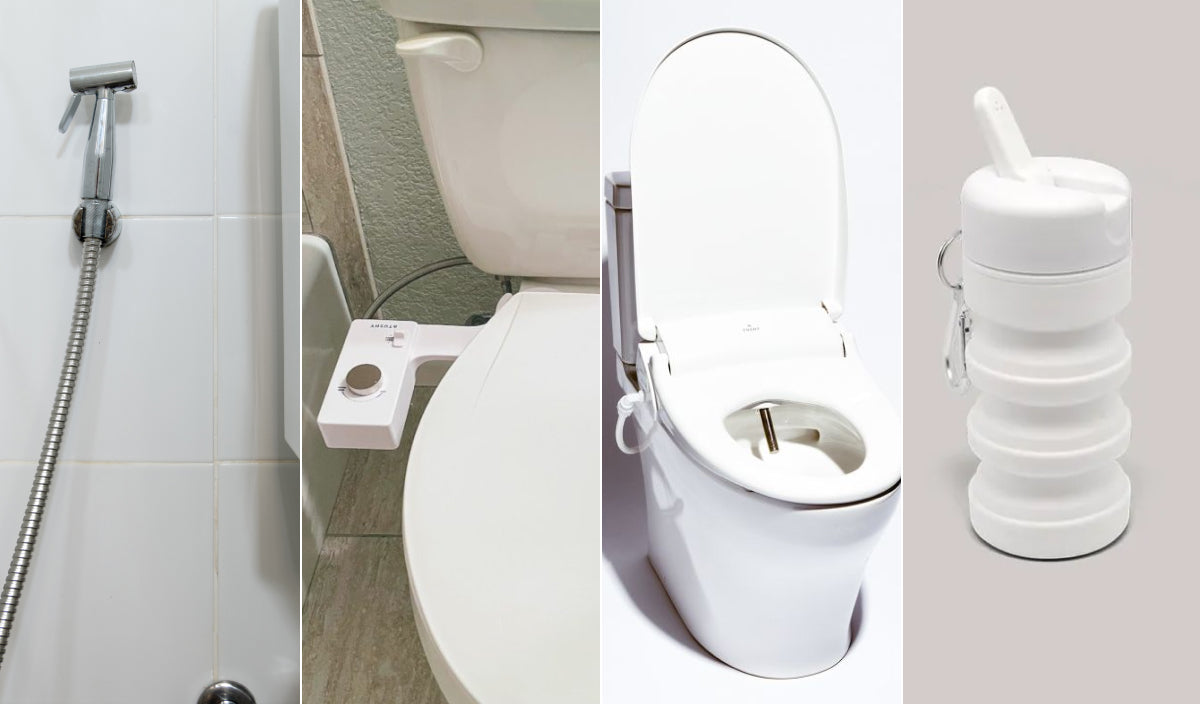
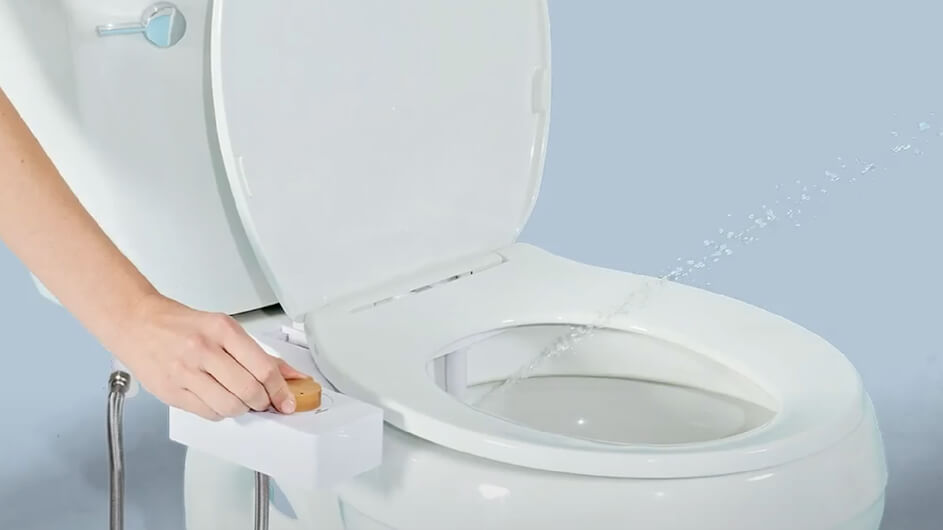
A bidet uses water, which:
- Cleans more effectively
- Reduces irritation
- Helps you better understand your poop health
Cleaner = clearer signals.
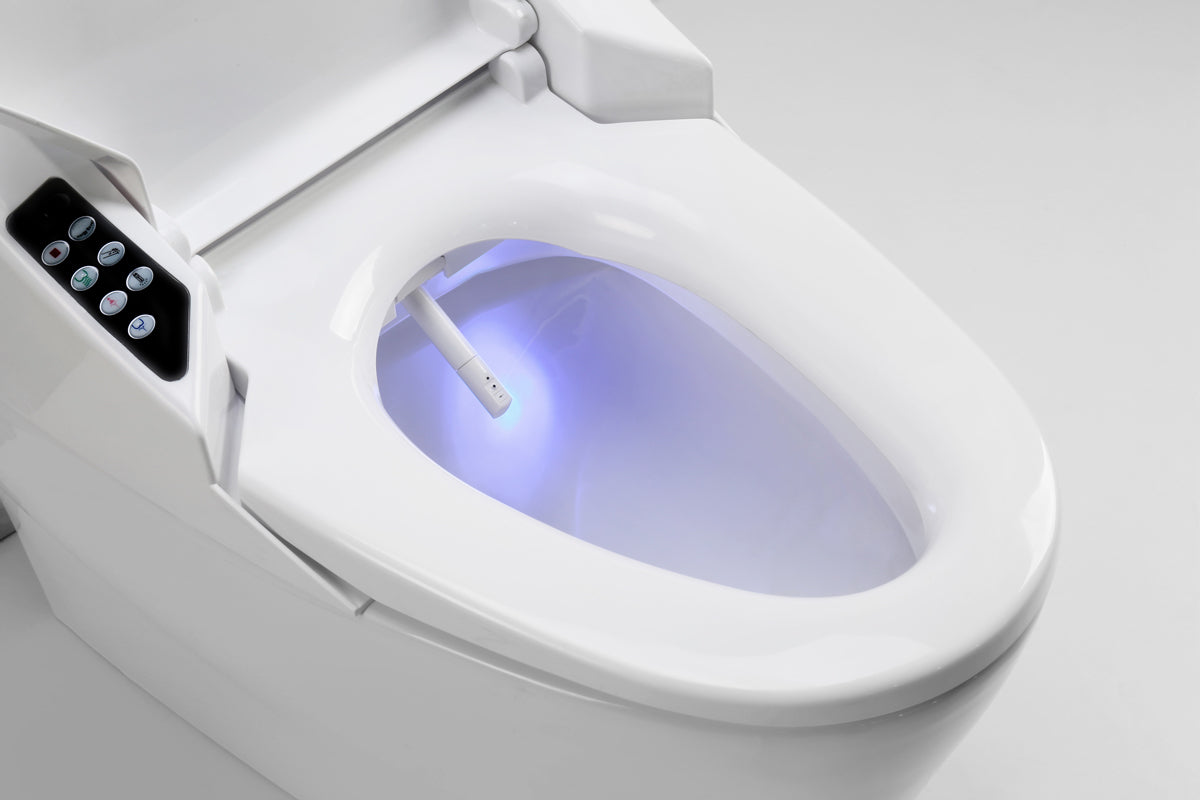
🚽 Make the Switch to a Bidet
If you’re serious about gut health, your bathroom routine matters.
👉 Shop TUSHY Bidets!
Why Your Bathroom Setup Matters More Than You Think
Most people focus on diet — but ignore how they poop.
Your setup directly impacts:
- Ease of bowel movements
- Straining and constipation
- Cleanliness and irritation
A simple upgrade like:
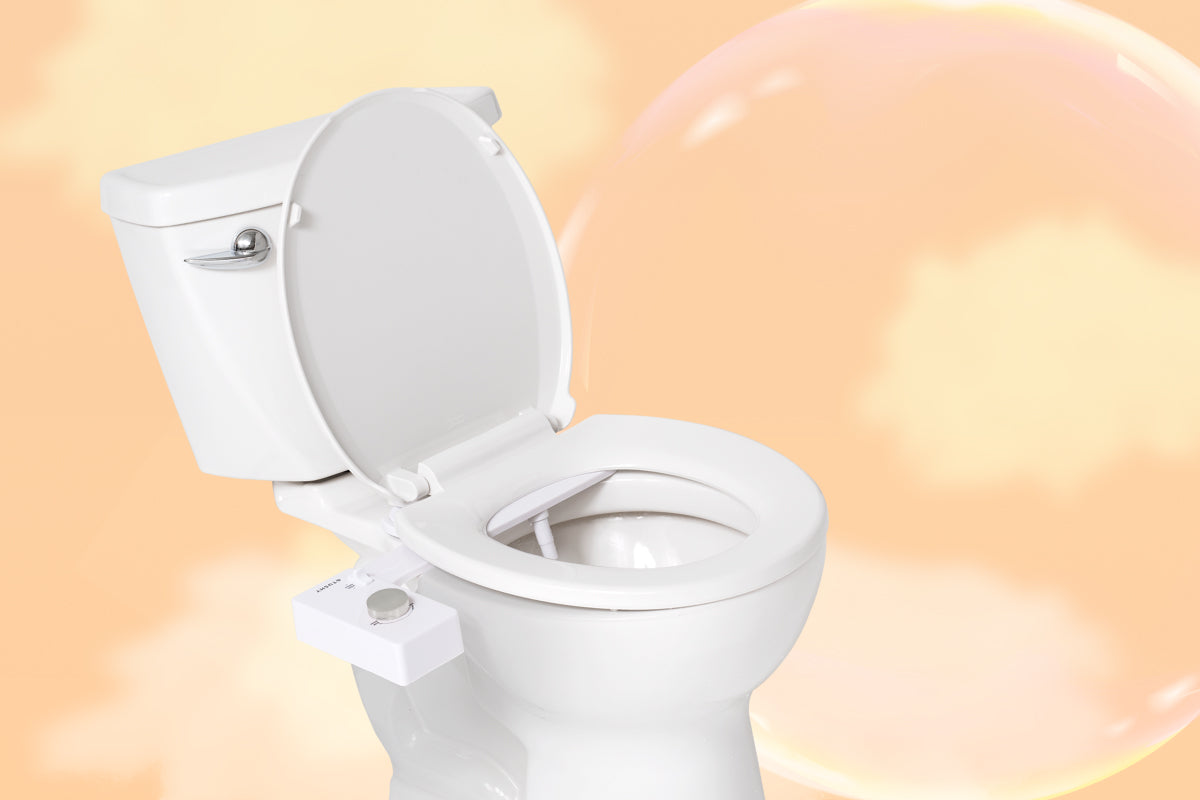
- A bidet attachment
- A poop stool
…can completely change your experience.
FAQs:
What does healthy poop look like?
Healthy poop is Type 3 or 4 on the Bristol Stool Chart — smooth, soft, and easy to pass.
How often should you poop?
Anywhere from 3 times per day to 3 times per week is considered normal.
What does unhealthy poop look like?
- Hard pellets (constipation)
- Watery stool (diarrhea)
- Unusual colors like black, red, or pale
Are bidets better for hygiene?
Yes! Bidets clean with water, which is more effective and gentler than toilet paper.
Can posture affect digestion?
Yes! Using a poop stool helps align your colon for easier bowel movements.